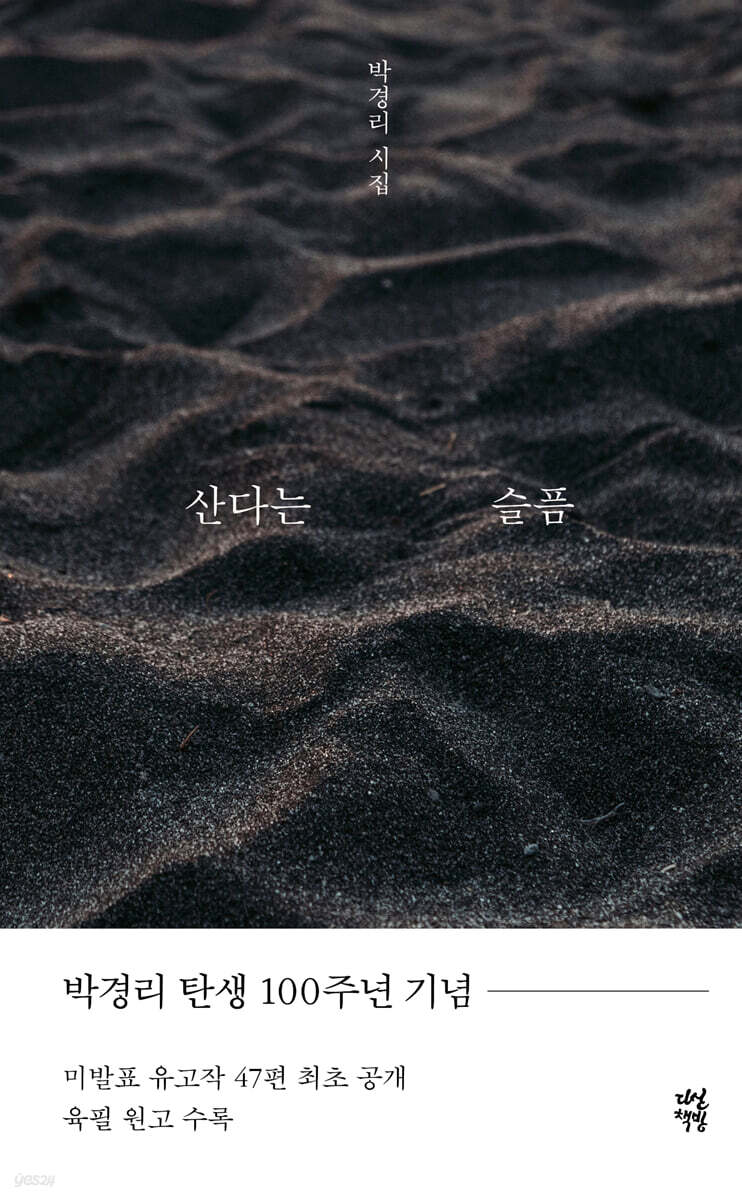
Key Answer: The Sorrow of Living (산다는 슬픔) is a posthumous poetry collection by Pak Kyongni (박경리), the author best known for the 26-year saga Land (토지), published by Dasan Books in 2026 to mark the centenary of her birth. It gathers 47 previously unpublished poems discovered in the archives of the Toji Cultural Foundation, alongside excerpts from her handwritten manuscripts. The book is currently a Korean-language original featured on KLWAVE (Korea's official literary rights-sales platform); as of this writing no English translation has been announced, and translation status should be checked on KLWAVE before assuming an English edition exists. This article draws on KLWAVE's official book information and cover imagery from YES24 to introduce the collection to readers outside Korea.
Why Should International Readers Care About The Sorrow of Living?
Pak Kyongni is one of the towering figures of modern Korean literature, and to most international readers her name is inseparable from Land, the sprawling multigenerational saga she wrote over 26 years. What is less known outside Korea is that alongside her novels, Pak quietly wrote nearly 200 poems across her lifetime. The Sorrow of Living makes a large portion of that hidden body of work visible for the first time, collecting 47 poems that had never been published while she was alive. For readers who come to Korean literature through its most famous long-form fiction, this book offers a rare chance to meet the same writer in a completely different register: compressed, private, and unmediated by plot.
What Problem Does This Book Address?
According to KLWAVE's official description, much of Pak Kyongni's identity as a person has historically been overshadowed by the scale of her fiction. The Sorrow of Living is presented as an attempt to correct that imbalance by finally surfacing "Pak Kyongni the person" rather than only the novelist. The poems were found in materials held by the Toji Cultural Foundation (named after Land itself), and because many of them were left untitled, her grandson Kim Se-hi, who chairs the foundation, supplied provisional titles drawn from her life and literary world. In other words, this collection solves a specific archival and biographical problem: decades of private writing that existed only in manuscript form, at risk of never reaching readers at all.
What Makes The Sorrow of Living Stand Out?
Two things set this collection apart from a typical posthumous release. First, its scale and freshness: 47 poems that have never appeared anywhere before is a substantial addition to the public record of a canonical writer, not a minor curiosity. Second, the book includes facsimile excerpts of Pak's actual handwritten manuscripts. KLWAVE notes that these pages preserve her distinctive regional dialect (rooted in her years living in Wonju) and her colloquial, spoken-word rhythm, letting readers sense the cadence and emotional temperature of the writing at the moment it was set down, rather than only its edited, typeset form.
What Is the Core Insight Running Through These Poems?
Across the 47 poems, KLWAVE describes recurring threads: reflections on era and history, on family and suffering, and on nature and life itself. Some poems read as confessions poured out while looking back on a long life; others capture small pleasures and quiet boredom from her rural life in Wonju; still others carry anger and resignation toward the times she lived through, or memories of people who passed briefly through her life. The throughline, as KLWAVE frames it, is that the same discipline and stamina that let Pak sustain a 26-year saga is visible in miniature here — a writer who recorded her days rather than letting them slip past unremarked, and who kept refining raw, unfiltered language into verse until the very end.
How Should a Non-Korean Reader Approach This Collection?
Because The Sorrow of Living has not been confirmed for English translation, readers outside Korea currently encounter it mainly through secondary sources like this article, KLWAVE's official summary, and publisher materials rather than the poems themselves. A useful approach is to first read a synopsis of Land or a translated excerpt of Pak's fiction to understand her narrative voice and historical concerns, then treat this poetry collection as a biographical companion piece — a way of hearing the private register behind the public, novelistic one. Readers who know some Korean, or who work with translators, may find particular value in the handwritten-manuscript pages, since dialect and colloquial rhythm are exactly the kind of texture that is hardest to carry across languages and easiest to lose in translation.
What Should Be on a Reading Checklist Before Starting This Book?
- Read a short biography of Pak Kyongni (1926–2008) and note the outline of Land, her defining 26-year work, before starting the poems.
- Check KLWAVE's own page for this title to confirm the current translation status, since that can change over time.
- Look up the Toji Cultural Foundation (토지문화재단) to understand who preserved and released this archive, and why her grandson's role in titling the poems matters.
- Note the publication context: released by Dasan Books in 2026 to mark the 100th anniversary of Pak's birth, ISBN 979-11-306-7538-1.
- Set aside the expectation of narrative continuity — this is a poetry collection assembled from archival fragments, not a single continuous work.
What Questions Should Readers Bring to Their Reading Notes?
A few prompts worth writing down before and after reading: How does the voice in these poems compare to the narrators of Land? Which poems seem to be direct autobiography, and which read more like observation of others? What does it mean that a grandson chose the titles for poems his grandmother left untitled — whose interpretation are we reading, hers or his? And finally, what does a "confession" mean when it was never intended for publication during the author's lifetime?
Who Should Read The Sorrow of Living?
This book will appeal most to readers who already have some familiarity with Pak Kyongni or with modern Korean literary history and want a more intimate, less filtered look at a major author's inner life. It also suits readers interested in archival literature generally — the process by which unpublished manuscripts become public books — and anyone curious about how a writer famous for an epic, multigenerational novel sounds when working in a compressed, personal form. Casual readers looking for their first introduction to Korean literature may be better served starting with a translated edition of Pak's fiction, then returning to this collection once that context is in place.
Frequently Asked Questions
Is The Sorrow of Living available in English?
Not as of this writing. KLWAVE lists this as a Korean-language original with no publisher-confirmed English translation yet, and its own "Translator's Expectations" section currently shows no submitted requests. Translation status should be checked directly on KLWAVE before assuming an English edition exists.
Who was Pak Kyongni?
Pak Kyongni (박경리, 1926–2008) debuted in 1955 with the short story "Calculation" (계산) and went on to write Land (토지), a 26-year saga widely regarded as a landmark of modern Korean literature. Her fiction is known for centering human dignity and criticizing the traditions, systems, and authority that strip people of it.
How does The Sorrow of Living relate to Land?
It is not a sequel or companion narrative to Land, but a separate, standalone poetry collection. The connection is biographical and archival: the manuscripts were preserved by the Toji Cultural Foundation, an institution named after and dedicated to the legacy of Land itself.
How many poems does the collection contain, and are they all new?
It contains 47 poems, all previously unpublished during Pak's lifetime, discovered in the Toji Cultural Foundation's archive. The book also includes excerpts of her original handwritten manuscript pages.
Who is the publisher and when was it released?
The book was published by Dasan Books Co., Ltd. (다산북스) in 2026, timed to the 100th anniversary of Pak Kyongni's birth. Its ISBN is 979-11-306-7538-1.
Where can I find official information about this book?
KLWAVE (Korea's official literature rights-sales platform, run by the Literature Translation Institute of Korea) hosts the official listing with author bio, publisher details, and category information used as the primary source for this article.
Personal Thoughts
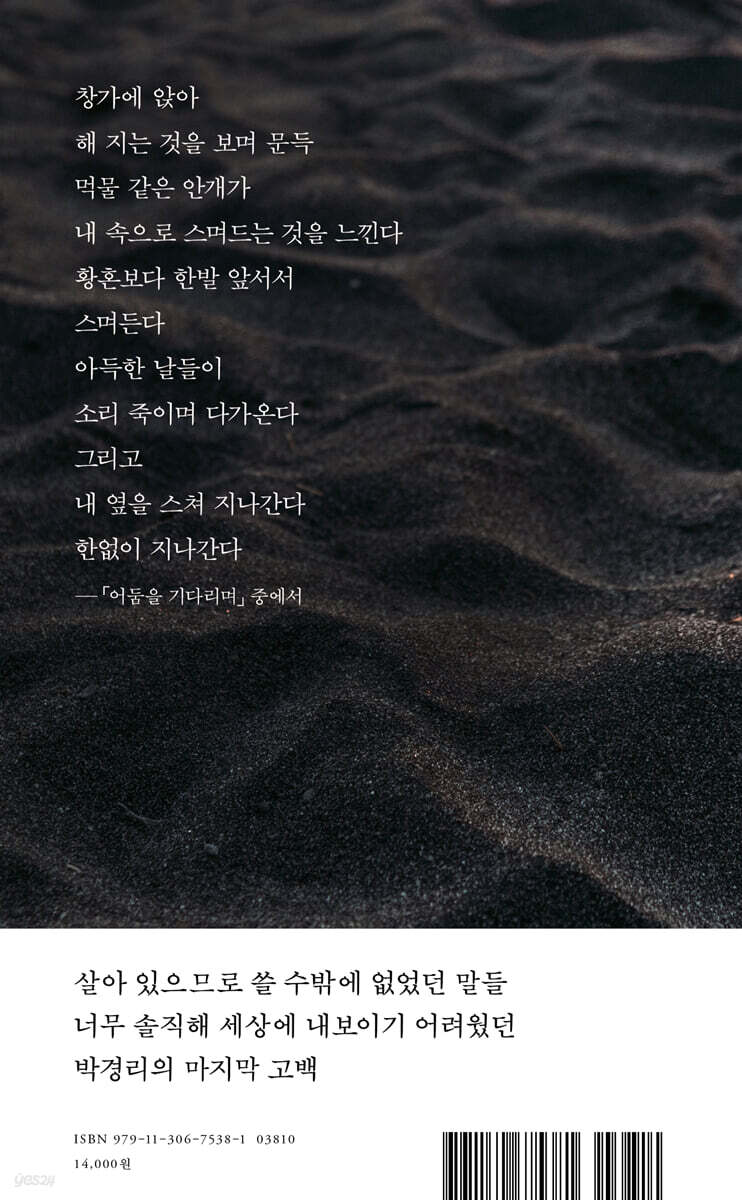
What stands out most, reading through KLWAVE's description of this collection, is how ordinary and how monumental the same fact can be at once: a major novelist also wrote poems, privately, for decades, and simply never got around to publishing most of them. There is something quietly moving about a foundation named after a woman's most famous novel being the place where her grandson eventually sat down with her handwritten pages and gave titles to the poems she never finished naming herself. It is a reminder that even writers who produce monumental, decades-spanning works are also just people jotting things down at a window, watching the light change, the way the back-cover excerpt suggests. Whether or not this book ever appears in English, its existence is a useful corrective for readers who only know Pak Kyongni as the author of one enormous book: she was, before and after that, someone who kept writing in the margins of her own life.
Final Note
This introduction is based on the official book description, author biography, and bibliographic details published by KLWAVE, the Literature Translation Institute of Korea's official platform for this title, with cover imagery sourced from YES24's product listing. It is written independently in the blog's own words and is not a reproduction of the book's original text. As always with newly listed titles, readers interested in acquiring or translating this book should confirm current rights and translation status directly on KLWAVE.
